
Why you need a specialist data consultancy alongside a Global Systems Integrator (GSI)
GSIs and specialist data consultancies are powerful when working in tandem.
Insights library
Expert insights, practical guides and the latest news from Amplifi's data and AI specialists, all in one place.


All insights (183)
No insights match your filters.
-
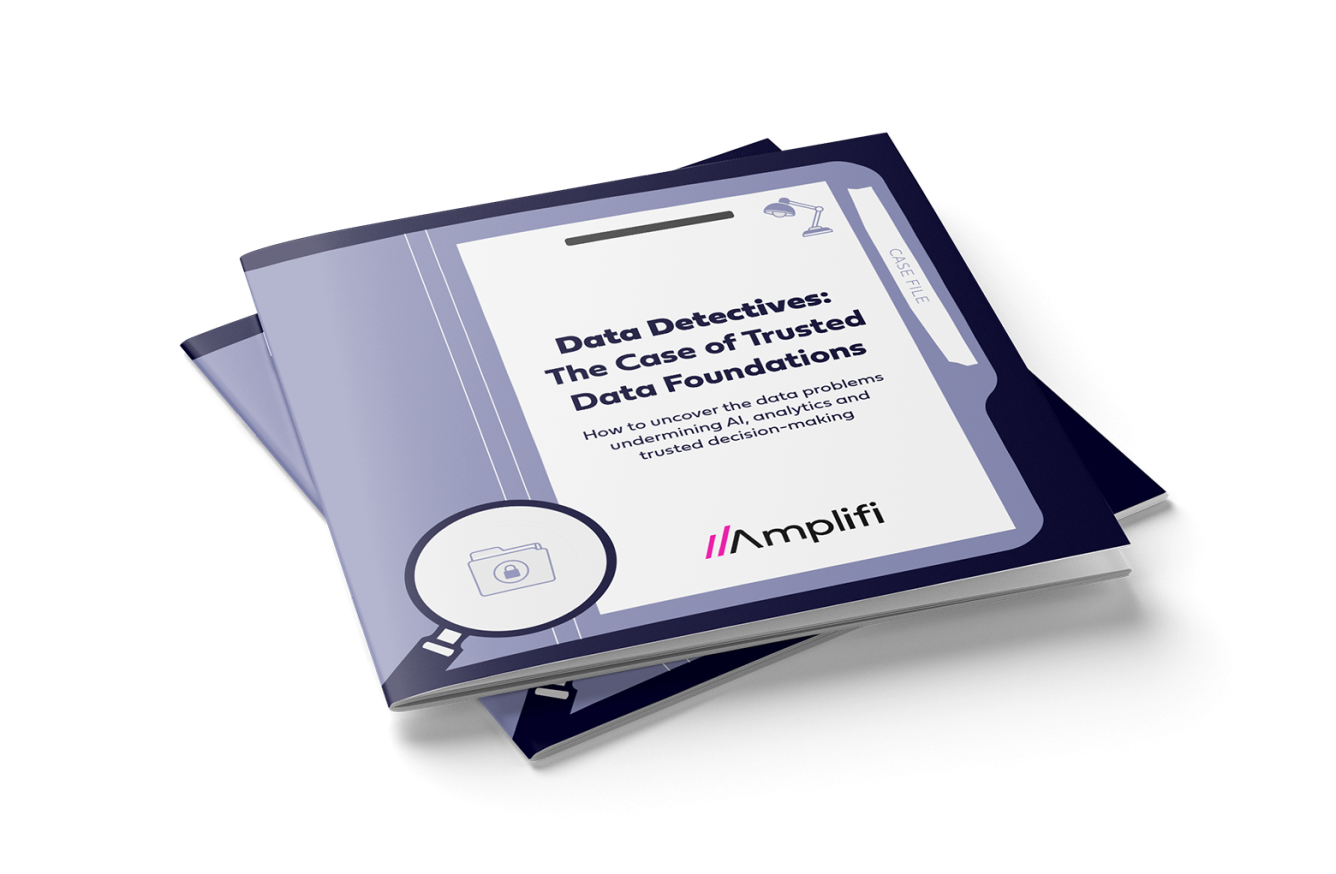
Data Detectives: The Case of Trusted Data Foundations How to uncover the data problems undermining AI, analytics and trusted decision-making, with five case files, practical first moves and a self-check to test your own foundations.
-
Data, Served Fresh: How to dish out better hospitality with better data Get your data prepped, portioned and properly plated with this expert guide to solving hospitality’s toughest data challenges, from allergens and ingredient mapping to supply chains, menus and pricing.
-
The missing layer in Enterprise AI: Why business meaning matters more than the model Every major data platform is investing in semantic capabilities – but why? Our SVP of AI & Analytics, Ryan Moore, explores what's driving this shift and why capturing business meaning is becoming a critical component of enterprise AI strategy. Download the full paper below!
-
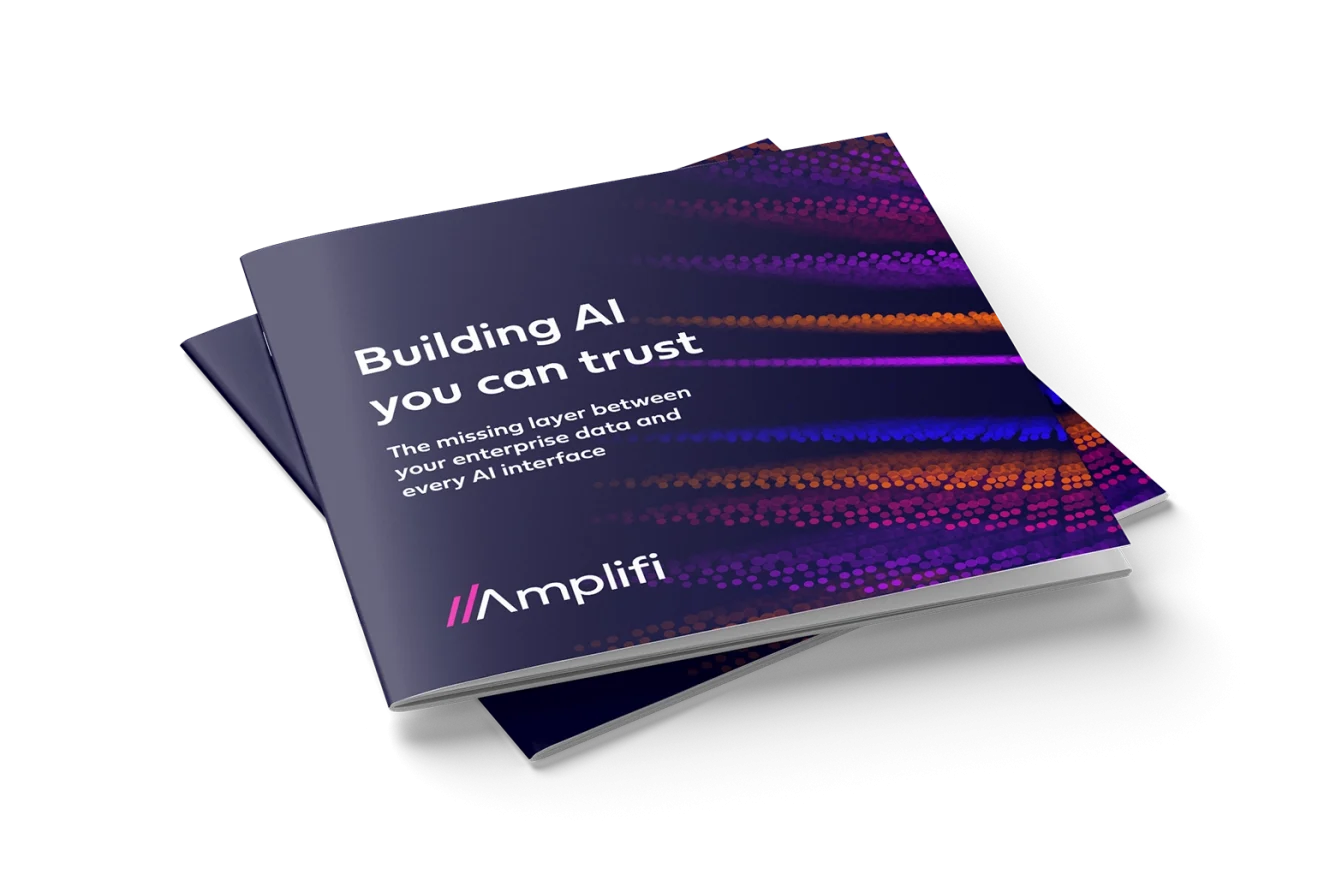
Building AI you can trust Unlock the missing layer between your enterprise data and AI. Learn how a Semantic Registry captures business meaning once, enabling trusted AI, consistent insights, and a scalable foundation for future AI initiatives.
-
Amplifi launches Axis, an AI-driven service to unlock value from unstructured and legacy data Discover Amplifi Axis, a new AI-driven service that transforms unstructured and legacy data into structured, reusable data products, helping organisations unlock value and scale data and AI use cases.
-
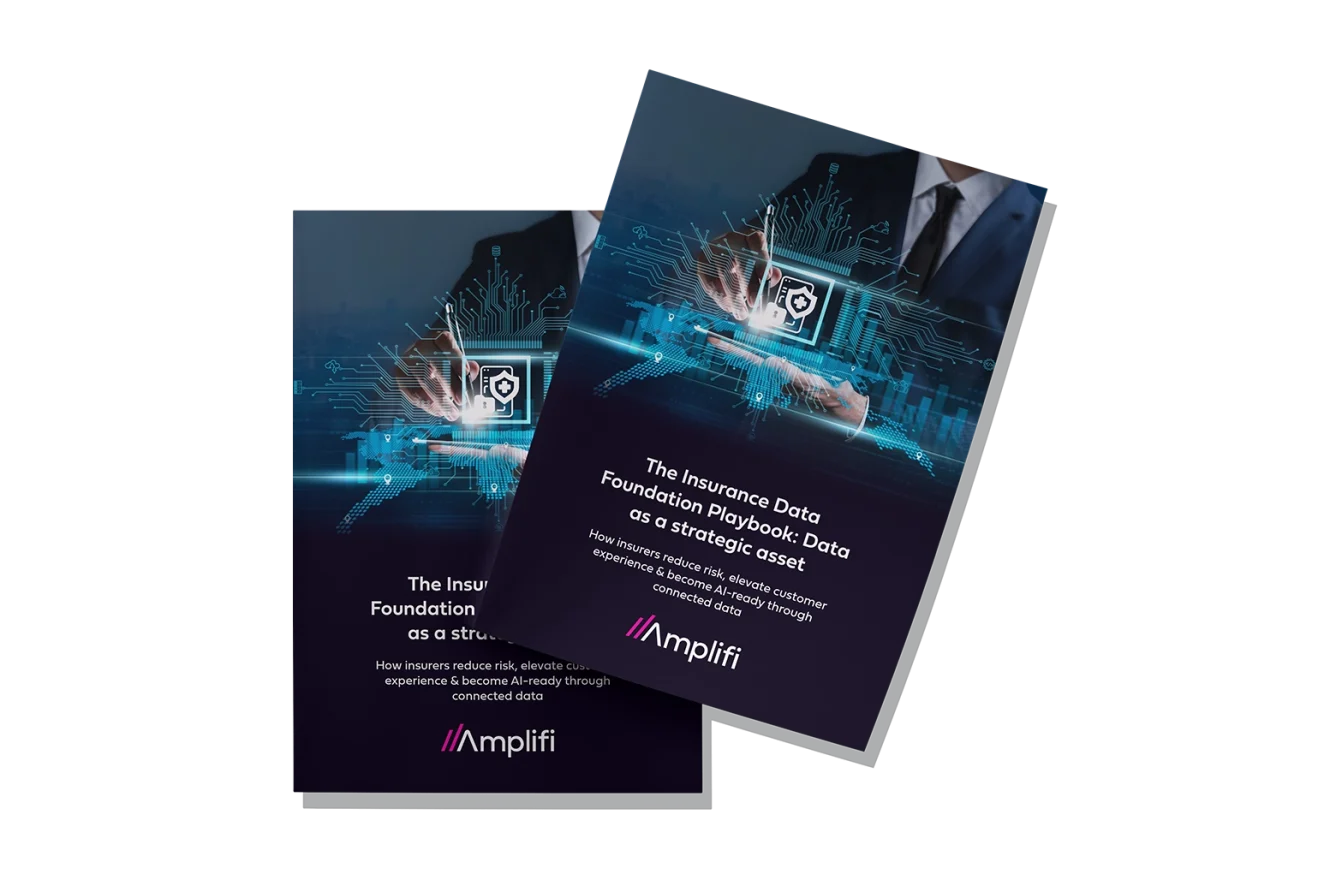
The Insurance Data Foundation Playbook Learn how insurers can reduce risk, elevate customer experience and become AI ready through connected data.
-
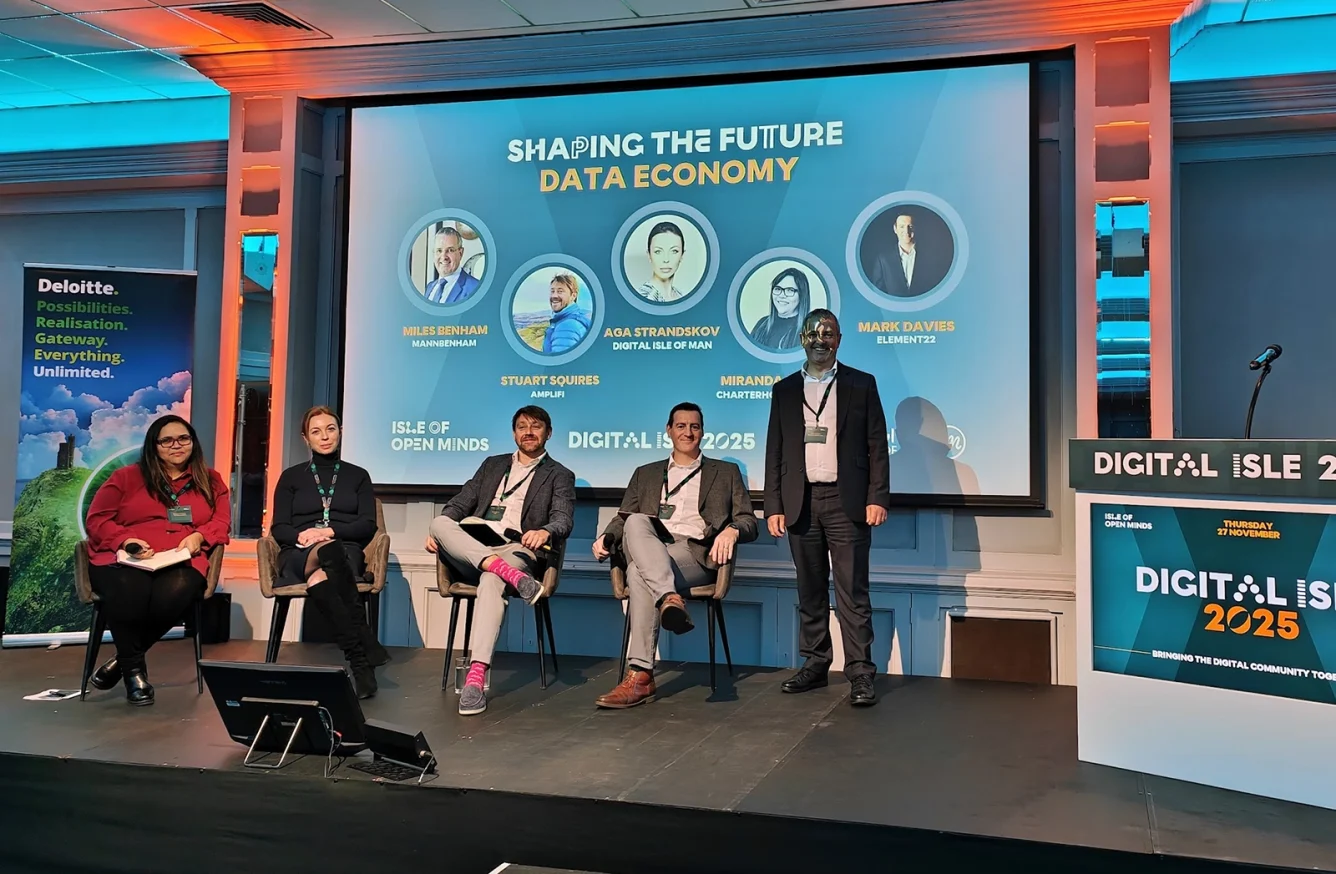
Turning Data into a Balance Sheet Asset: From Concept to Reality Hear how Amplifi is involved in moving data from an intangible concept to a recognised financial asset with the Digital Isle of Man, and what it takes for organisations to make that shift a reality.
-
How Beazley Built a Trusted Customer-360 Data Foundation Learn how Beazley – a leading global specialist insurer – confronted one of the industry's most critical challenges: fragmented, inconsistent customer and party data.
-
Amplifi announces partnership with Data & AI Literacy Academy A partnership bringing together data management and data & AI literacy expertise to support adoption and value across data and AI transformation programmes.
-
5 expert tips for AI Governance: From AI pilots to enterprise scale Learn how to move from AI pilots to scalable, responsible and value‑driven AI adoption with practical governance frameworks, expert tips and real‑world examples.
-
Our take on Gartner’s® 2026 MDM Magic Quadrant™ MDM is back in the spotlight with Gartner’s 2026 MDM Magic Quadrant. In this article, Callum MacBurnie, SVP & Managing Director, Amplifi Europe explores what’s changed since 2021, the drivers behind vendor shifts, and why MDM is fast becoming the trusted context layer AI depends on.
-
What Dataiku’s Platform for AI Success means for enterprise organizations Dataiku has introduced its Platform for AI Success, unveiling Agent Management, Cobuild, and Reasoning Systems. We sat down with Ryan Moore, SVP AI & Analytics at Amplifi, to unpack what these announcements really mean for enterprise organizations and how to turn them into real business value.
-
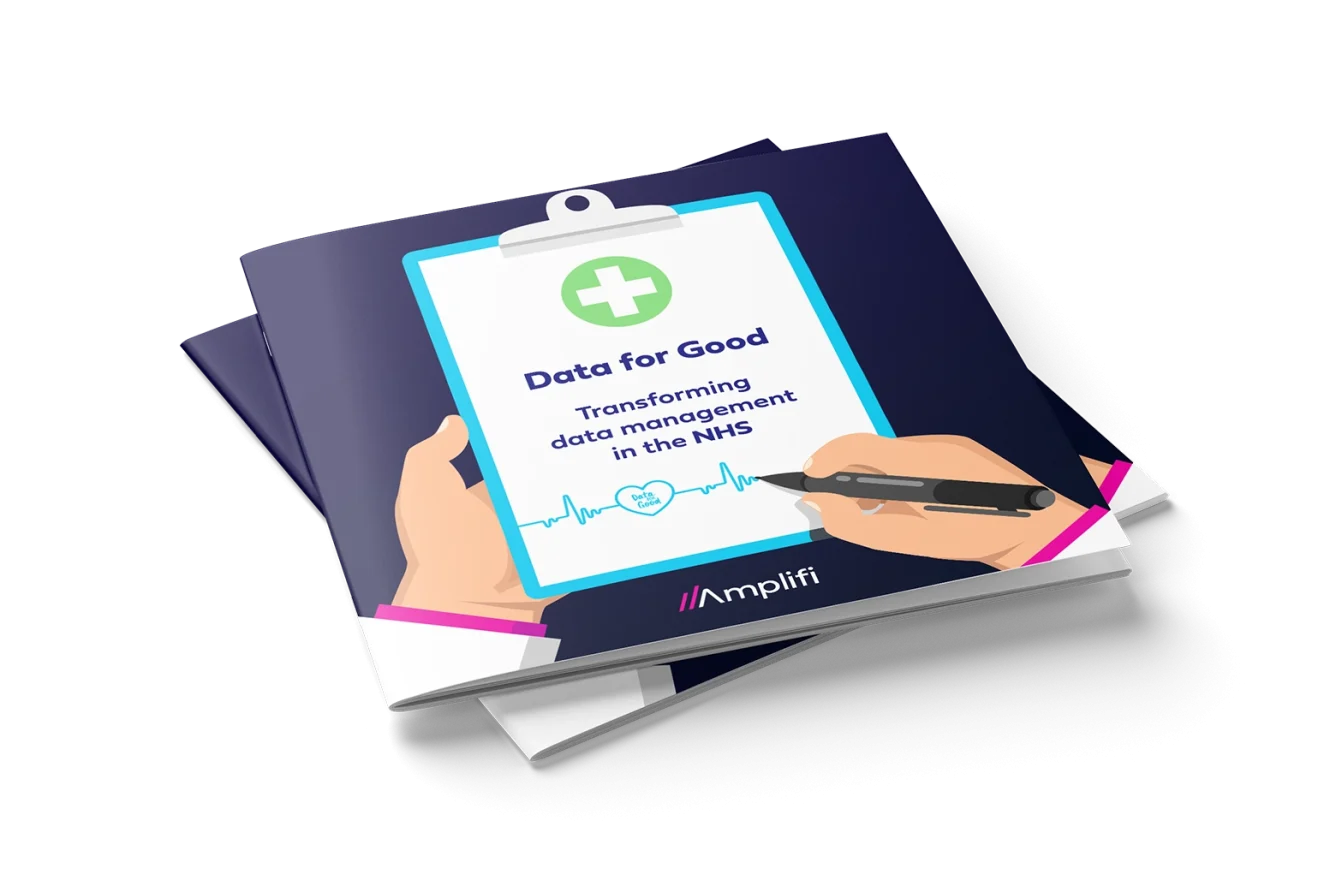
Transforming data management in the NHS Follow the NHS journey to introduce data management, including scaling from employee-related use cases to a powerful case study in transforming cancer care pathways.
-
Is your product data ready for the Agentic Commerce era? How Salsify and PXM are stepping up. Agentic Commerce is changing how products are discovered and bought. Our Consulting Director, Vanessa Summitt, shares her perspective on preparing product data for this next phase of PXM, and how Salsify are positioned to do so.
-
Why insurers can’t afford to overlook the risk hidden in their customer and party data Insurance leaders are making decisions without a complete customer and party view. In this article, Chris Collings uncovers why that creates strategic risk and what c‑suite teams must do next.
-
How MDM drives value in the Medallion Architecture Mike Hennelly explores how to unlock the true value of your data by integrating Master Data Management with the Medallion Architecture. Learn how golden records, trusted governance, and a strong MDM‑to‑Silver pipeline power reliable analytics and AI across your enterprise.
-
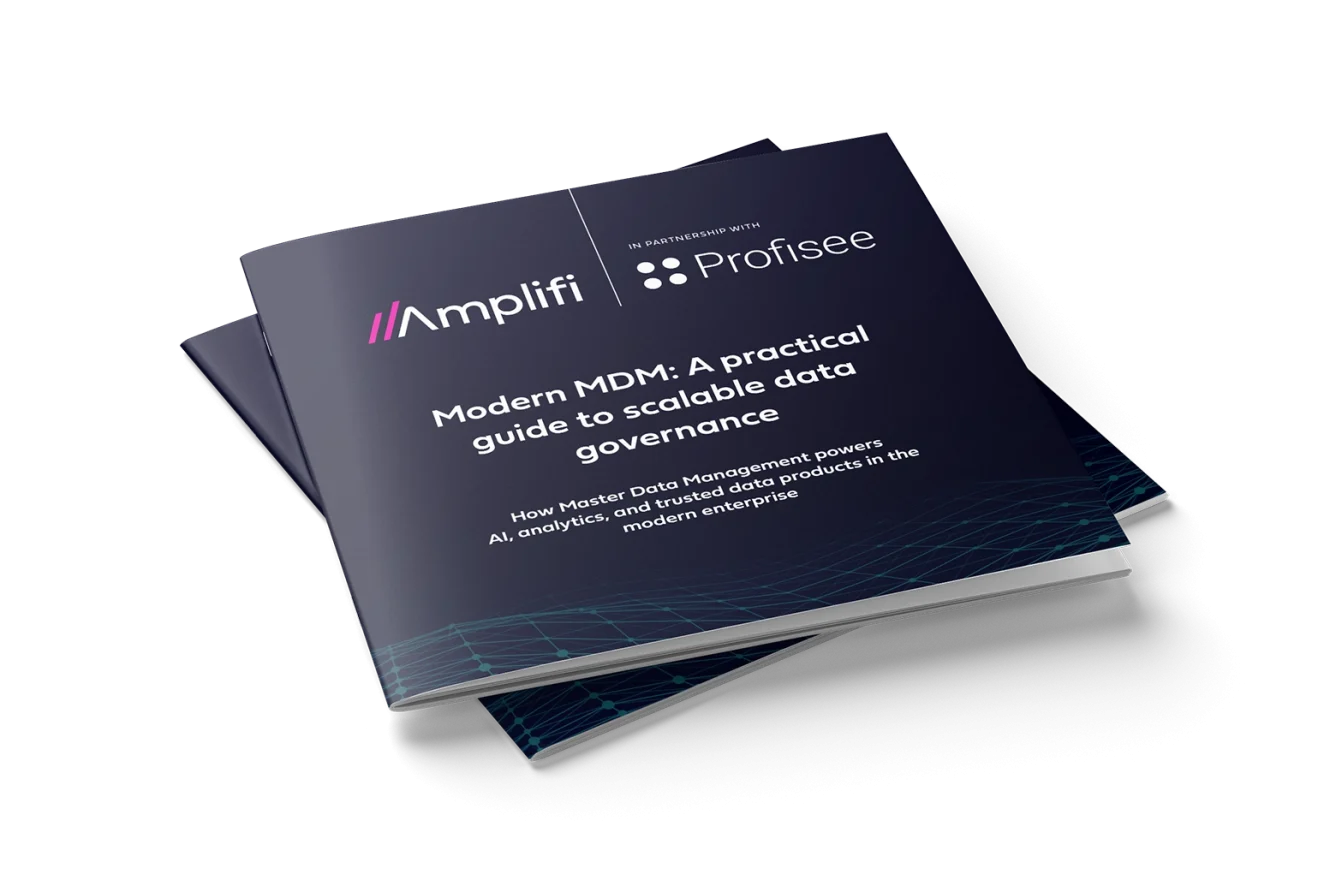
Modern MDM – A practical guide to scalable Data Governance Learn how modern MDM powers AI, analytics and trusted data products, with expert insight on Microsoft Fabric, scalable governance and real-world results.
-
Stibo Systems CONNECT 2025: How strong data foundations drive sustainable innovation Explore how Amplifi and Stibo Systems’ partnership is helping organisations move from foundational data pain points to AI-powered transformation, with a focus on trust, governance and real business impact.
-
Governance, AI and Sustainability: Insights from our Data Leaders dinner in Copenhagen At a recent dinner in Copenhagen, co-hosted by Amplifi Profisee and EDM Association, data leaders discussed the realities of governance, AI and sustainability. Discover the key challenges, shared pain points and takeaways shaping data strategy today.
-
The Chain Reaction: Why AI is the missing link in today’s supply chains Discover how AI is reshaping supply chains – from smarter forecasting to reduced waste and supplier risk. Read how Amplifi and Dataiku empower leaders to build connected, resilient operations.
-
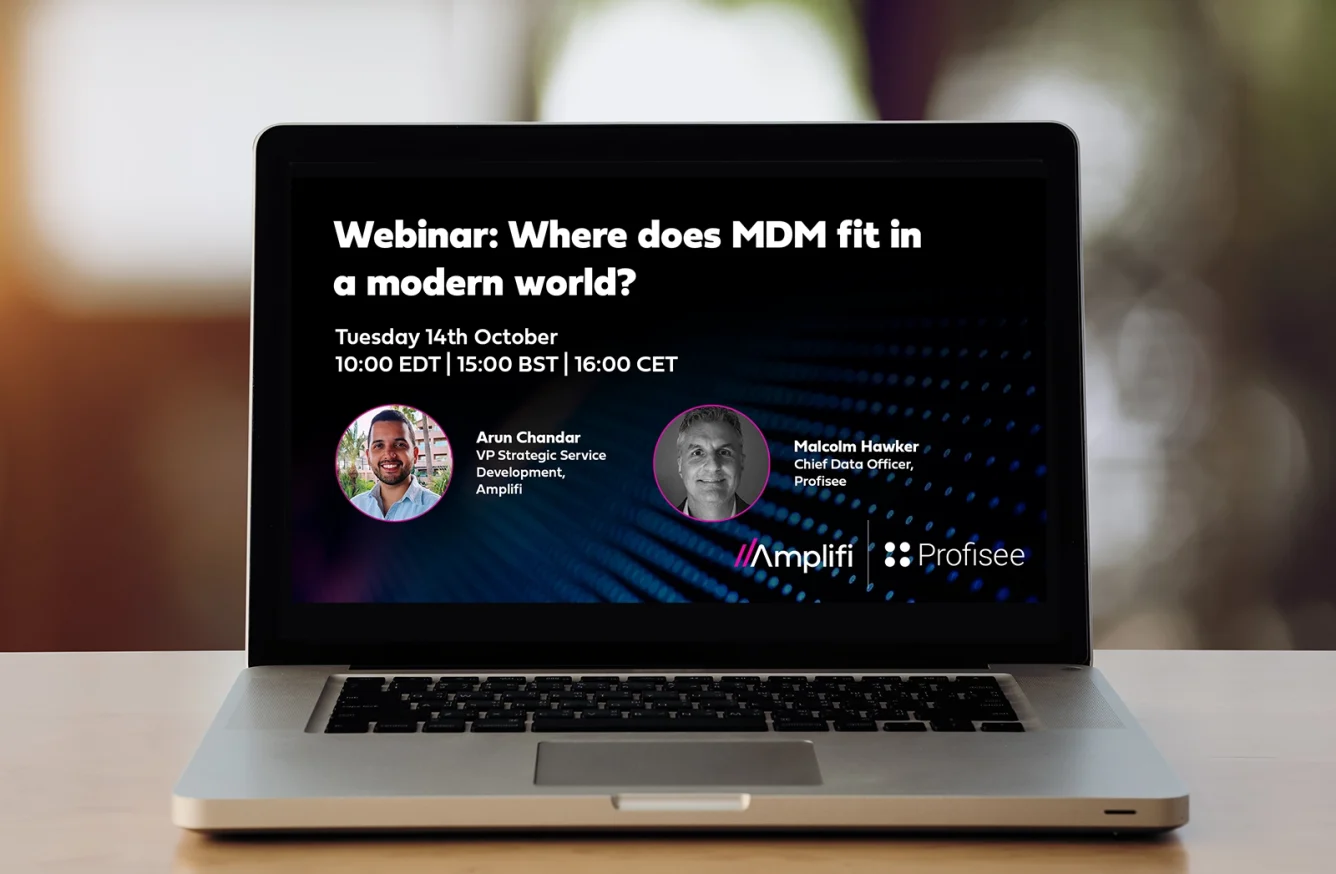
Amplifi x Profisee: Where does MDM fit in a modern world? AI and analytics can only deliver value if they run on trusted data. Watch this webinar to learn how Master Data Management powers AI, analytics, and scalable modern governance.
-
Chain Reaction: The AI-Powered Supply Chain Read our guide for Supply Chain and IT leaders from Amplifi and Dataiku to learn how AI is transforming supply chain operations – from forecasting and inventory planning to supplier risk and plant performance.
-
4 critical data steps for your SAP S/4HANA upgrade The transition from SAP ECC to SAP 4/HANA is an opportunity to modernise how your organization operates. For this to be a success the focus must be on data.
-
6 tips for using MDM in Microsoft Fabric Curated for data leaders and architects, this guide shares expert tips for using master data management (MDM) in Microsoft Fabric to create trusted, governed data products that deliver measurable business value.
-
Streamlining data insights: developing Streamlit apps inside Snowflake Read this technical Voices piece from Ryan Moore, SVP of AI and Analytics at Amplifi, as he shows how to query live data, build interactive dashboards, and share secure applications, all within Snowflake.
-
Our SVP Strategy & Consulting’s takeaways from EDM Association DataVision 2025 Fresh from DataVision 2025, Amplifi's Stuart Squires shares three key updates to DCAM® and EDM Association, plus how our assessments turn insight into impact.
-
Good Data Day 2025: Beyond Theory to Delivery Amplifi’s flagship event of 2025 unpacked responsible AI agents, product data mastery and culture first change, giving data leaders a playbook to start, scale and sustain momentum. Read on to uncover the day’s most impactful insights in one place.
-
Good Data Day 2025: Progress Beats Inaction In this session from Good Data Day, Amplifi, Microsoft and Profisee discussed how quick prototypes and ninety-day wins beat big projects that never launch, watch the talk on demand.
-
Good Data Day 2025: AI-Powered PXM in Digital Retail Watch the panel hosted by Catherine Cherry, Amplifi, with Stibo Systems, TikTok and Specsavers at Good Data Day, and how it revealed the way AI-driven Product Experience Management (PXM) boosts accuracy, agility and marketplace sales.
-
Good Data Day 2025: NCFE x Microsoft Case Study Stream the Good Data Day session where NCFE and Amplifi share how four governance pillars plus Microsoft Fabric delivered faster regulatory responses and a scalable data core.
-
Good Data Day 2025: Finding the Right Solutions to the Right Problems Watch Stuart Squires and Arun Chandar discuss Amplifi's data strategy framework, and show you how data leaders diagnose problems to pinpoint gaps and pick the right data and AI solutions.
-
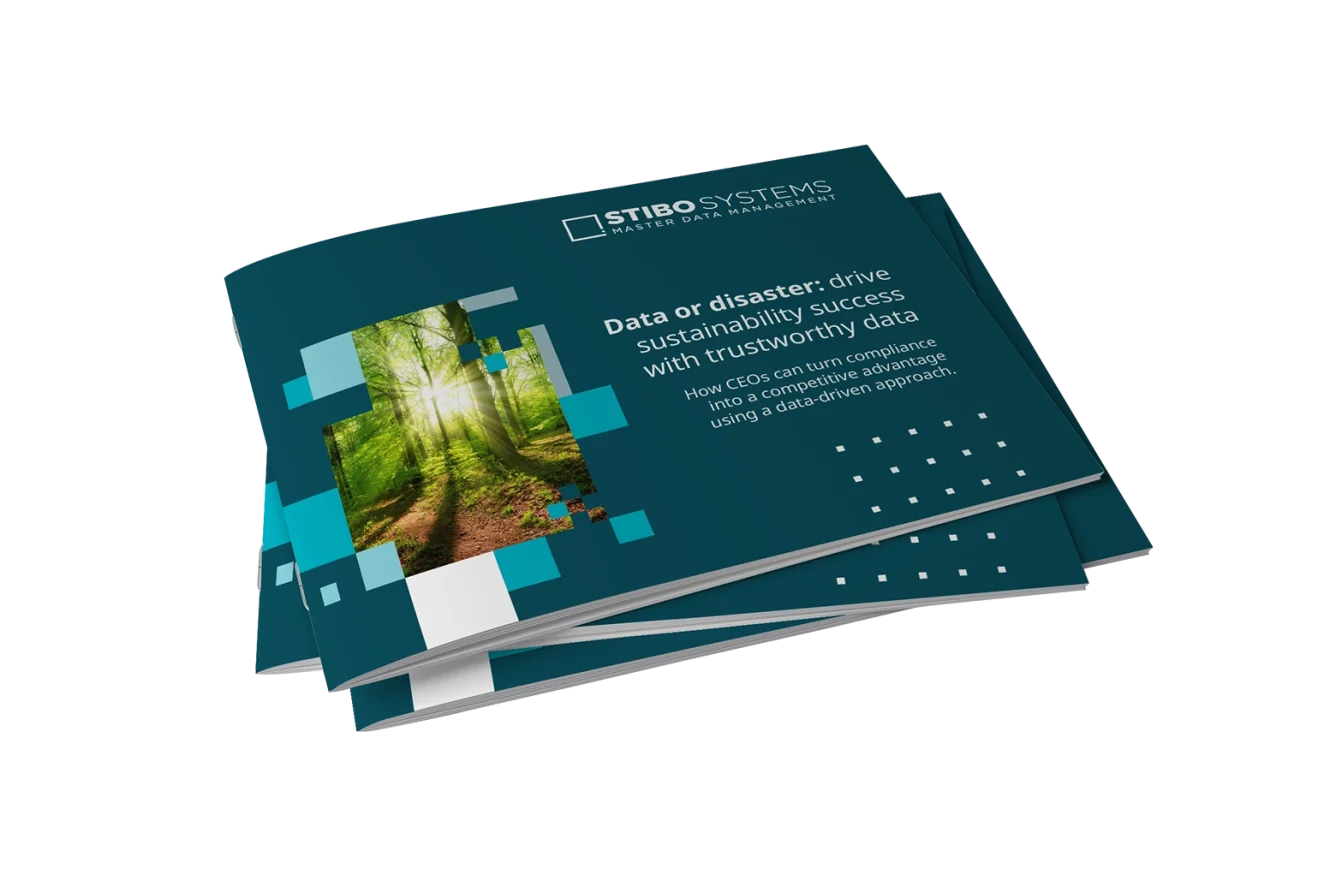
Data or Disaster: How Trustworthy Data Drives Sustainability Success Turn sustainability reporting into a competitive advantage with trusted data. Learn how master data management supports ESG compliance, reduces risk and creates a stronger foundation for sustainable business success.
-
Salesforce + Informatica: Why data fundamentals still shape the future Amplifi’s Chris Colyar, Stuart Squires and Chris Collings provide a breakdown of how Salesforce and Informatica’s partnership impacts core platforms, data products, and the shift from best-of-breed to integrated ecosystems.
-
Data or disaster: drive sustainability success with trustworthy data Discover how better master data management helps organisations meet evolving sustainability standards, build trust, and unlock new operational value.
-
Amplifi x Microsoft: Real impact, real fast with Fabric and Purview Hear from our expert consultants with hands on experience, as they share a playbook for unlocking tangible value from your data at speed, with Mircosoft Fabric and Microsoft Purview.
-
Amplifi acquires Snow Fox Data, advancing AI, analytics and data science capabilities DALLAS, TX, June 3, 2025 – Amplifi, a leading data and AI consultancy, has announced the acquisition of Snow Fox Data, a Wisconsin-based AI and analytics consultancy recognised for its deep expertise in data engineering, analytics, data science, and AI consulting.
-
Chicken or Egg? A Data Paradox A decade later, the data quality debate rages on: govern first, or fix later? In this unedited reprint of a 2015 article, Stuart Squires, SVP Strategy & Consulting at Amplifi, explores the enduring paradox of data governance through a vivid, relatable analogy – and invites reflection on how far we’ve really come.
-
Why Data Products were the talk of Gartner Data & Analytics Summit 2025 Learn why data products are the new non-negotiable in modern data strategies, insights from Gartner D&A Summit 2025 and how Amplifi supports delivery and governance.
-
Continuous improvement of technology: Is your business evolving, or just maintaining? Dan Fisher, Consulting Director, explores how continuous improvement can work for your organisation and touches on why ongoing enhancements are essential to stay competitive. Learn how Amplifi provides expert support to help organisations evolve their data and systems, ensuring they’re prepared for future demands.
-
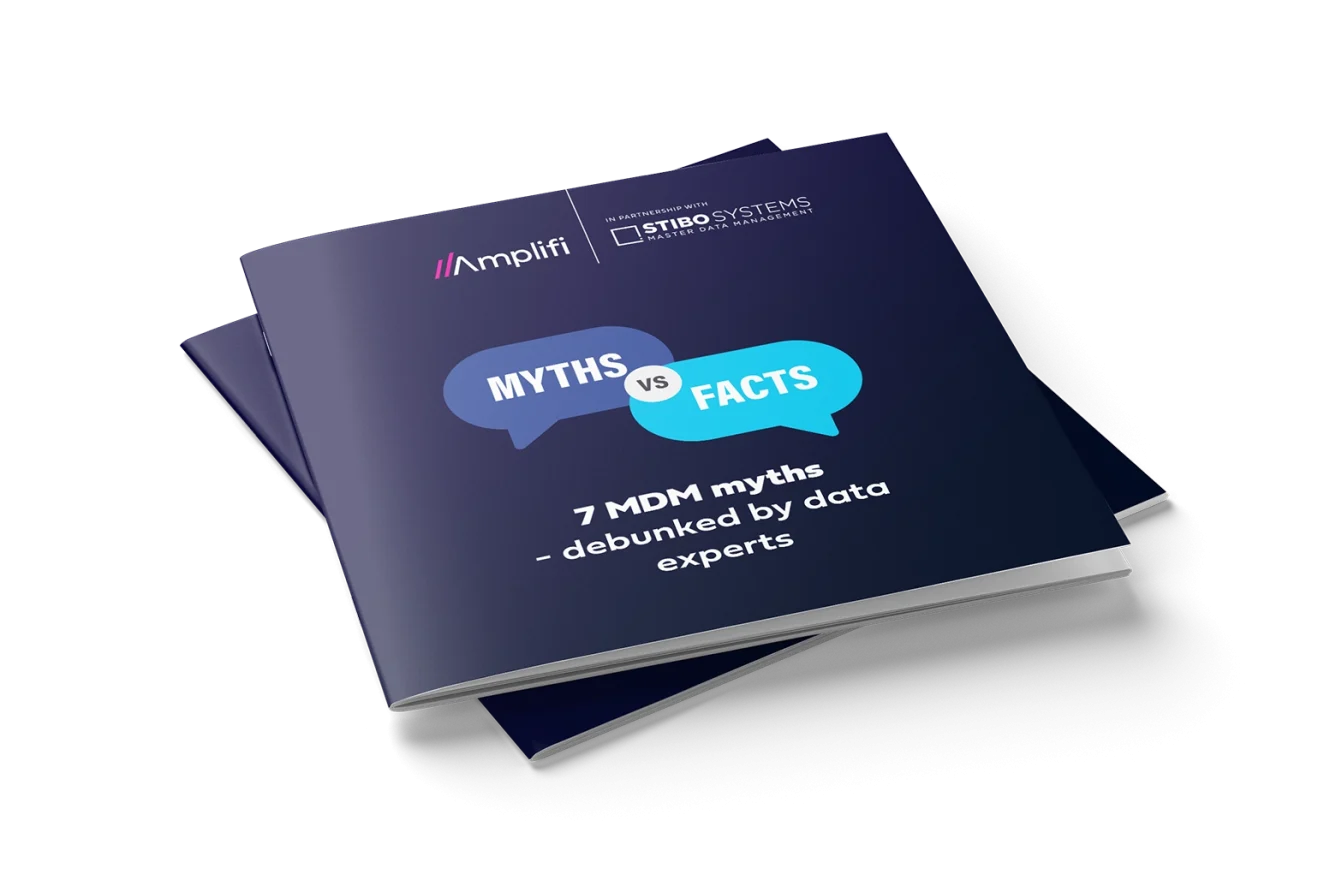
7 MDM myths debunked by data experts Master Data Management is ever changing is this fast paced world. With all the change, the same questions and challenges are raised, let's look at the common myths.
-
Safer, smarter, stronger: Why forecasting belongs in-house When third-party forecasting platforms fail, operations stall. Bringing forecasting in-house with Dataiku, Snowflake, and SQL pipelines gives you control, resilience, and agility keeping critical systems running and decisions on track.
-
Amplifi Awarded Global GTM Partner 2025 by Stibo Systems The Go to Market Partner of the Year award recognizes Amplifi's ability to strategically align with Stibo Systems vision while delivering tangible outcomes for our combined clients.
-
5 strategic steps to build a future-ready PXM Build a future-ready Product Experience Management (PXM) strategy with five expert-led actions to improve product data, automate content syndication, accelerate omni-channel growth and deliver consistent customer experiences at scale.
-
Amplifi x FleetPride MDM: Start twice to get it right? Hear how why starting an MDM implementation fresh a second time round geared FleetPride up for sustainable, long-term success.
-
“MDM is not just an IT function…and it never has been!” In this video, we discuss why successful MDM is a shared responsibility between business and IT, with business value driving priorities and outcomes. We also explore how ongoing collaboration helps MDM remain effective, adaptable, and aligned to changing business needs.
-
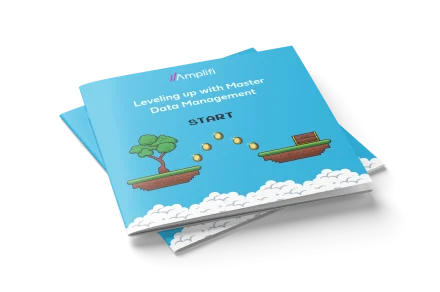
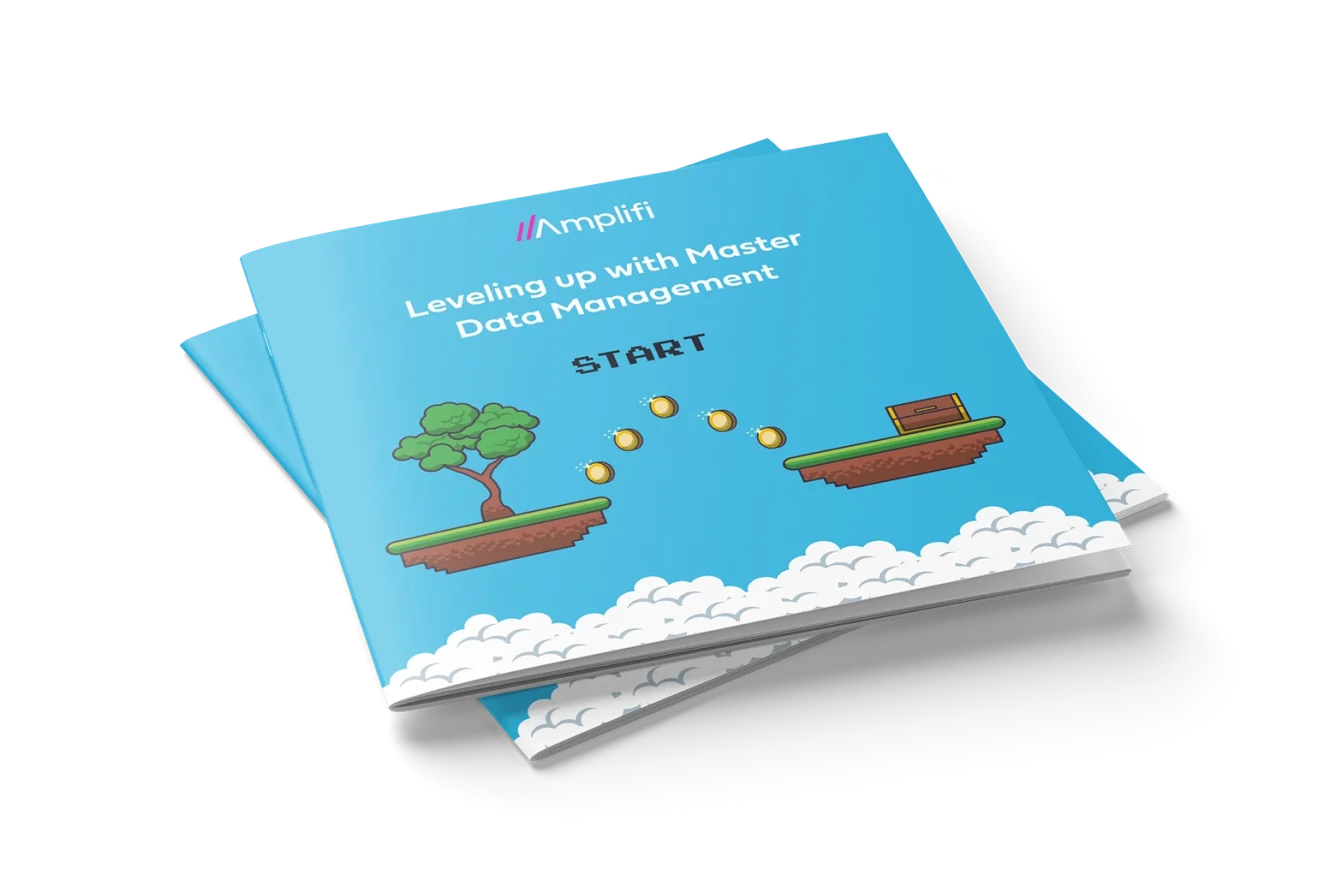
Levelling up with Master Data Management Level up your Master Data Management strategy with a practical roadmap for MDM success. Learn how to build trusted data, secure stakeholder buy-in, select the right partner and create a scalable foundation for long-term business value.
-
“MDM for AI, and AI for MDM” In this video, we discuss the relationship between AI and MDM, exploring how trusted, well-governed data enables successful AI initiatives. We also look at how AI can help streamline and automate key MDM processes.
-
Dos and Don’ts of Evolving MDM for Modern Data Ecosystems Modern Data Ecosystems demand flexibility, not a full reset of your data strategy. From AI integration to data mesh principles, explore practical guidance to adapt MDM and PIM for today’s business needs, ensuring scalability, agility, and robust data governance.
-
The role of AI and ML in transforming Data Migration Struggling with data migration? Lee Morgan, Principal Consultant, talks through common challenges organisations face and how AI-powered solutions can reduce errors, streamline workflows, and improve efficiency for a smoother, more successful migration.
-
How not to fail an MDM implementation Master Data Management success starts with the right strategy. Discover how AI, Data Mesh and Data Fabric can help you improve data quality, strengthen governance, break down silos and deliver long-term business value from your MDM investment.
-
“The key role MDM plays in managing supplier data” Supplier data often arrives messy and inconsistent, and this episode explains how MDM brings structure, automation and governance to that complexity. Chris Colyar and Nils Pedersen show how workflows and AI can streamline supplier data flow and alignment across the organisation.
-
Reframing ESG with a data-first approach Chris Colyar, Chief Technology Officer at Amplifi, explores how investor demands, new regulations, and market trends are reshaping ESG – and the critical role of data in driving progress.
-
“The key role MDM plays in managing ERP data” In this video, we discuss how MDM and ERP work together, with MDM providing trusted, governed data and ERP managing business transactions. We also explore how MDM supports ERP upgrades and long-term data strategy.
-
Unlocking ESG – A guide to finding your ESG hotspots Learn how effective data management can strengthen ESG reporting, uncover critical sustainability insights and build a trusted foundation for compliance, transparency and long-term business value.
-
“We don’t need MDM for data fabric/mesh” Data mesh and data fabric are gaining momentum, but MDM remains a vital foundation – providing the trusted, consistent and well‑governed data that these modern, decentralised architectures rely on. This discussion highlights how MDM has evolved to strengthen these approaches, ensuring organisations can scale with confidence.
-
How fast can you deliver an MDM MVP? Can an MVP be ready in just 60 days? Catherine Cherry, Director of Data Management, explores how rapid implementation is possible, what compromises are involved, and how to ensure an MVP is a solid foundation for long-term success.
-
As if by magic… The expert guide to Data Migration Read our expert guide to data migration. Discover proven strategies to securely move your enterprise data, avoid common pitfalls, and reduce business risk.
-
Amplifi Launches Game-Changing Microsoft Purview Connector for STEP MDM Amplifi's STEP x Purview connector gives organizations an automated, reliable and scalable means of connecting their MDM solution with their Microsoft Purview enterprise data catalog.
-
“Stibo only does PIM” In this video, we discuss how Stibo Systems has evolved beyond its PIM roots into a multi-domain MDM platform. We also explore how organisations can use it to manage and govern data across multiple domains.
-
AI is the talk of the town, but what are senior data leaders at enterprise organisations saying? AI is dominating conversations across industries, talking about it is one thing, implementing it is a different ballpark. At our recent dinner with FTSE data leaders, we discussed the real challenges and opportunities AI presents.
-
Expert guidance for implementing Microsoft Fabric and Microsoft Purview Unlock the full value of Microsoft Fabric and Microsoft Purview with expert implementation guidance, covering data governance, operating models, strategic planning and proven best practices to accelerate data-driven success.
-
“The difference between multidomain and multiple domain MDM” Amplifi explains the difference between multidomain and multiple domain MDM, helping enterprises choose the right approach.
-
“MDM is too big and complex” In this video, we discuss how modern MDM has evolved, making it easier and more accessible for organisations to implement successfully. We also explore common misconceptions and how businesses can approach MDM with greater confidence.
-
The rise of Microsoft Purview Learn how Microsoft Purview can enhance your organisation’s data governance, boost data quality, and streamline compliance. Amplifi, a Microsoft Accredited Partner, offers the expertise to help you get started with Purview and unlock its full potential.
-
5 ways to design your data ecosystem for change in a continuously evolving world Matt Harris, Practice Director – Modern Data Ecosystems at Amplifi discusses how modern data ecosystems can leverages AI, composable architectures, and cloud computing to drive organisational success. Read on to discover strategies for embracing and managing change effectively.
-
5 benefits of standardizing data science workflows with CRISP-DM | Amplifi Standardizing data science workflows is essential for driving efficiency, consistency, and business impact. Frameworks like CRISP-DM provide a clear, repeatable structure that improves collaboration, streamlines project delivery, and ensures data science initiatives stay aligned with organizational goals.
-
Furniture: 5 trends driving modern data management Discover proven strategies for the furniture industry to improve product data quality, accelerate time to market, support sustainability goals and deliver exceptional customer experiences across every channel.
-
Is your data ready for AI? And does it need to be? Watch this session to hear from Amplifi's AI and data strategy experts Mike Evans, Chief Innovation Officer and Stuart Squires, SVP Strategy & Consulting who discuss how you can ensure AI is driving real value for your business.
-
Reducing scrap in manufacturing with data & machine learning Manufacturing teams are under pressure to improve yield and reduce inefficiencies. With data and machine learning, operations leaders gain real-time visibility, predict quality issues, and make smarter decisions that cut scrap and boost performance.
-
Case Study | 6 case studies of data management success in manufacturing Manufacturers unlock real business value by leveraging data to overcome outdated systems and manual processes. Explore case studies showing how manufacturers drive tangible results with data-driven strategies.
-
Manufacturing: 5 critical needs data can solve Accelerate manufacturing transformation with a practical data roadmap. Discover how to overcome common industry challenges, unlock the potential of AI, and build the trusted data foundation needed for greater efficiency, innovation and growth.
-
Digital Product Passports: Enabling Sustainability with MDM DPPs centralise detailed information on materials, production, maintenance, and recycling, promoting sustainability and regulatory compliance. Learn how leveraging MDM can streamline DPP integration, ensuring comprehensive and accurate data management for all stakeholders.
-
How MDM can support Digital Product Passport compliance Prepare for Digital Product Passport (DPP) compliance with a strong Master Data Management strategy. Discover practical steps to improve data quality, strengthen governance and build a trusted foundation for regulatory readiness and sustainable growth.
-
Is “good” data essential for AI? In this article Chief Innovation Officer at Amplifi, Mike Evans, dispels the myth that all data has to be perfect in order for AI to work. It’s about what ‘good’ actually means – or it’s about having the right data not necessarily perfect data.
-
How to get a data catalog right Implement a data catalog that delivers real business value. Discover expert strategies to strengthen metadata management, drive user adoption, improve data governance and turn trusted data into better business decisions.
-
“What are some of the key phrases and jargon around MDM?” In this video, we discuss common MDM terminology and misconceptions, including the differences between PIM, MDM and the various approaches to MDM. We also explore how understanding these concepts can help organisations make better data management decisions.
-
“MDM is an IT function, not a business/enterprise one” In this video, we discuss why MDM should be viewed as a business-wide initiative rather than just an IT function. We also explore how aligning MDM with business strategy helps unlock greater value and drive better outcomes.
-
“Why should you consider buy versus build with MDM?” In this video, we discuss the build vs buy debate in MDM, exploring the benefits and challenges of developing in house solutions versus using established platforms. We also examine how the right technology, partners, and expertise can support long-term MDM success.
-
Ready player 2: Partner-led MDM implementation with Amplifi Do you know your Gartner Magic Quadrant™ from your Forrester Wave™?
-
Unlocking Business Value with Master Data Management Support your business with rapid Master Data Management (MDM) deployment. Learn how leveraging advanced technologies like AI and LLMs, alongside expert guidance from Amplifi and Semarchy, can drive quick wins, boost stakeholder confidence, and foster a data-driven culture.
-
“How can you prove the ROI of MDM?”
-
Stibo Systems CONNECT 2024: Flexibility, AI, and Community Chris Colyar, CTO at Amplifi shares his insights from Stibo Systems CONNECT 2024, highlighting key themes like flexibility, AI, ESG, and the importance of experience and safety in business strategy.
-
Amplifi x Precisely | Can you trust your data when it comes to GenAI? Join Amplifi and Precisely as we take a deep dive into why trusted data is fundamental to the success of GenAI, and ultimately how you build that trust.
-
How to prepare your business for the evolution of PXM Vanessa Summitt, Consulting Director at Amplifi, delves into the exciting evolution of PXM. Discover how the next-gen Salsify Advance platform helps drive globalization, automation, and AI.
-
“We have the ability to deliver MDM ourselves!” In this video, we discuss why MDM requires more than just technology, and the specialist expertise needed for success. We also explore how organisations can combine internal capabilities with external support to get the best results from MDM.
-
Salsify Advance | The Future of PIM Join Amplifi and Salsify as we take a deep dive into the recent launch of PXM Advance, Salsify's next generation AI-powered product experience management platform.
-
Why (and how) to use LLMs for your business needs Hear from Will Sandys, Senior Research & Development Consultant at Amplifi, about how to securely use LLMs in your organisation to boost performance and unlock new business potential. Learn easy techniques for integrating LLMs with your internal knowledge base, all while keeping privacy intact.
-
Microsoft Fabric 101 Meet Microsoft Fabric: an integrated SaaS solution combining OneLake, Power BI, Azure Synapse, and Azure Data Factory. Simplify data management, enhance analytics, and unlock AI-driven insights with seamless data engineering, real-time analytics, and business intelligence.
-
6 steps for getting started with Microsoft Fabric
-
“Why do we need MDM for our AI initiatives?” In this video we discuss how MDM has adapted to and been impacted by AI, and equally how organisations can utilise MDM to assist their AI initiatives.
-
8 examples of QSR case study data wins: Real business impact from our QSR clients Fast food chains can gain significant business benefits from strategic data management. From mobile app customizations and multichannel ordering to menus and mergers, we talk you through 8 different use cases we have implemented for our Quick Service Restaurant clients.
-
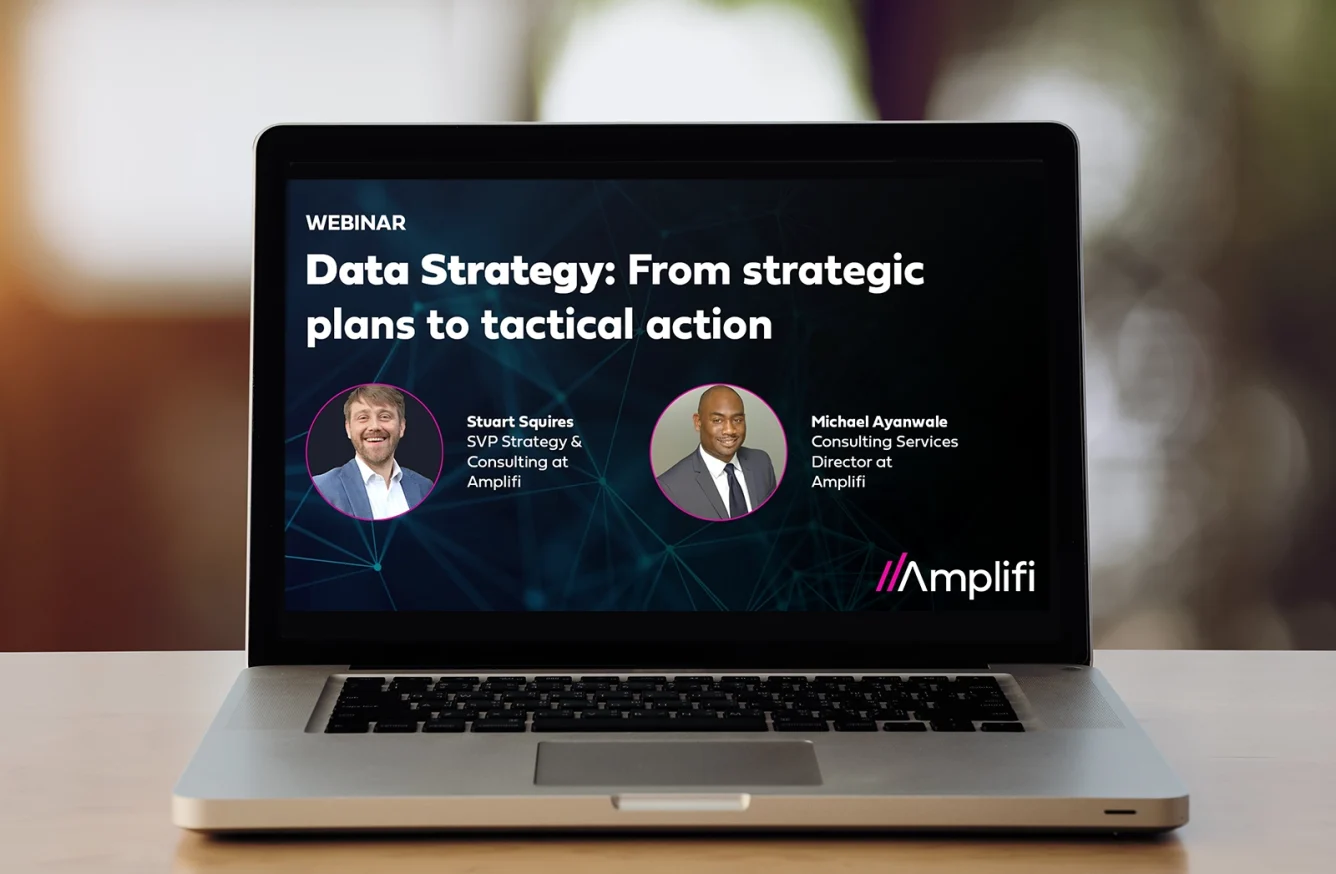
Data Strategy | From strategic plans to tactical action Every business should have a unique data strategy that empowers continuous improvement and helps you achieve your strategic objectives.
-
Changing tastes in QSR – 5 trends to take advantage of Here, our data experts explore five trends setting the pace for Quick Service Restaurants (QSRs) and how market leaders can use data to seize the day.
-
How can QSRs achieve tangible results with multi-domain MDM? The future for Quick Service Restaurants is data-driven and full of potential. Here we discuss examples of how leading QSRs drive value and deliver results with multi-domain MDM.
-
Can data make fast food faster? Unlock the power of your QSR data. Explore proven strategies across product, customer, supply chain, operations and location data to improve performance, accelerate growth and build a foundation for long-term success.
-
Profisee and Amplifi announce partnership in North America Two powerhouses combine to provide modern, adaptive master data management (MDM) solutions for organizations looking to take full advantage of the Microsoft Fabric ecosystem
-
Revolutionizing modern healthcare with a data-centric approach Explore how data management can offer a transformative solution for more personalized patient care, better health outcomes, and a thriving healthcare business.
-
Data for Good – Revolutionizing Patient-Centered Healthcare Discover how healthcare data management can improve patient outcomes, support value-based care and deliver trusted insights. Learn practical strategies to build a stronger data foundation, overcome common challenges and turn data into a force for good.
-
6 expert tips for driving business value with AI Read Amplifi's guide detailing 6 expert tips to help your enterprise implement trustworthy AI, reduce risk, and drive measurable business value.
-
How to effectively implement AI in your organisation Mike Evans, Chief Innovation Officer at Amplifi explores how businesses are leveraging AI to overcome data challenges and drive innovation. Gain insights into the application of generative AI and large language models in transforming business practices.
-
How Data Governance is evolving Arun Chandar, VP Strategic Service Development explores how data governance is matching pace with the rest of the industry, adapting and evolving with change. Learn how good governance allows you to align with business goals, manage AI risks, and leverage metadata.
-
How should a data integration platform answer modern data challenges? Explore how data integration has evolved to meet modern needs, ensuring data is available in the right format and at the right time. Discover agile platforms that adapt to industry advancements and support the complex data ecosystems.
-
Why you need a specialist data consultancy alongside a Global Systems Integrator (GSI) GSIs and specialist data consultancies are powerful when working in tandem.
-
How has metadata evolved? Metadata is fundamental. The increasing importance of metadata has led to a key question; what is the most effective way to define and organise metadata?
-
4 tips for Metadata Management Need help getting started with a Metadata Management strategy, Data Cataloguing, or ramping up what you're already doing? These practical, easy-to-implement tips will give you what you need to ensure your metadata is first class
-
Adventure diaries | Is my life a data strategy in disguise? Stuart Squires, SVP Strategy and Consulting at Amplifi discusses how his life is a unique blend of data consulting and diving into adventurous pursuits. See how the two converge in this blog.
-
Data Strategy with Amplifi Transform business goals into measurable outcomes with Amplifi’s proven data strategy methodology. Learn how to assess your data capabilities, build a practical roadmap and align data investments with long-term business value.
-
Amplifi’s Data Strategy Methodology
-
3 steps to better Data Integration Unlock the full value of your data with 3 practical data integration tips that help connect disparate sources, improve decision-making, enable seamless customer experiences and build a foundation for AI-driven insights.
-
Data Integration 101 Data Integration helps organisations make sure their data is available when it's needed, where it’s needed, how it’s needed and in the right format.
-
Data Mesh: Is a change in culture the key to unlocking value from your data? Mike Evans, Chief Innovation Officer at Amplifi discusses how data mesh has the power to transform your data into a vital business tool – essential for informed decision-making and driving innovation.
-
How the Housing Ombudsman’s KIM report reiterates the need for better data management The Housing Ombudsman’s KIM Report highlights why better data management is vital for accountability and service improvement.
-
Data Quality 101
-
Halloween Horrors: Eerie Analogies in the World of Data With Halloween around the corner, you might think that nothing in the world can connect it with data… you’re wrong!
-
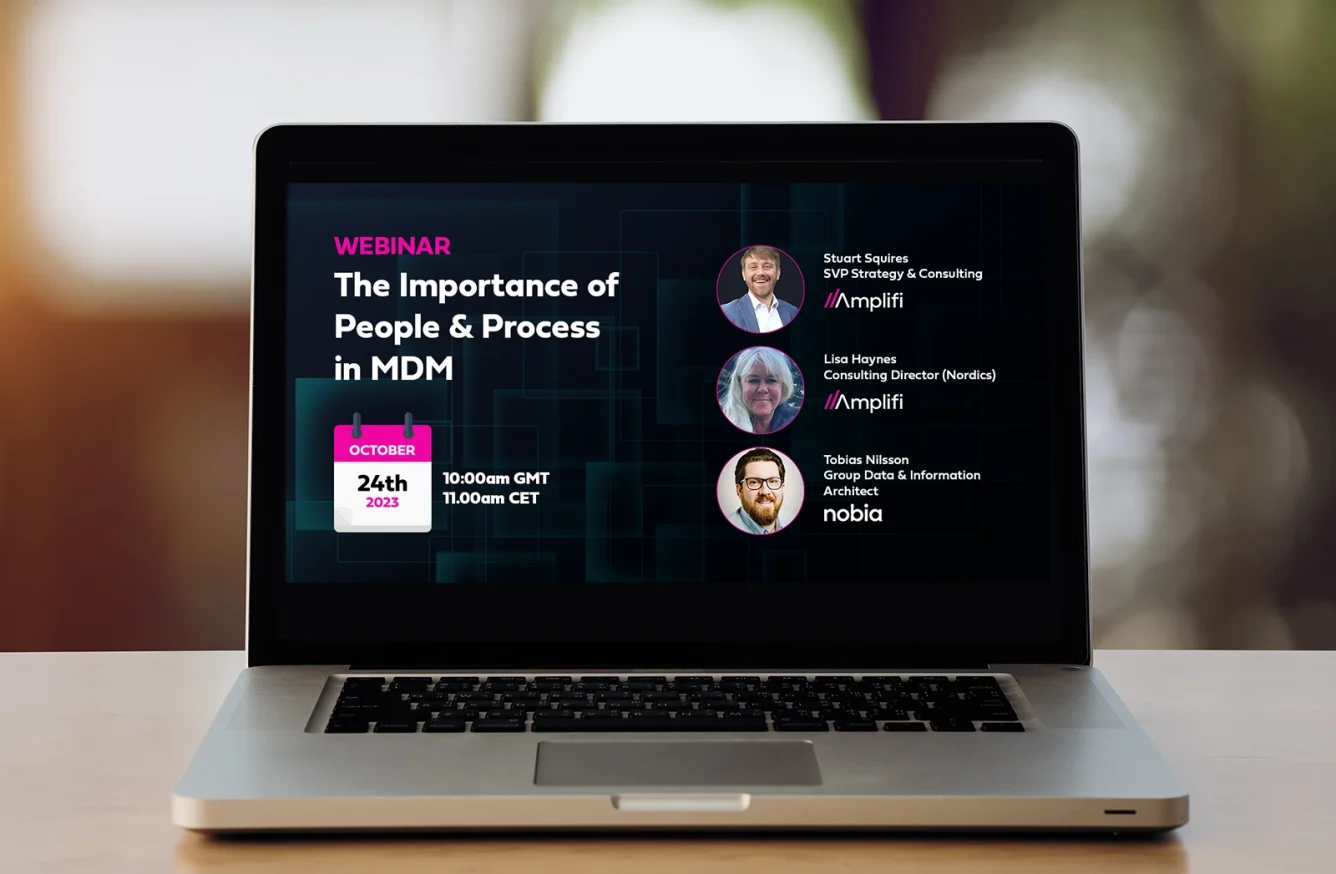
Amplifi & Nobia | The Importance of People & Process in MDM
-
Making the case for Data Virtualization Discover how Data Virtualization can simplify data integration, connect disparate data sources and enable modern architectures like Data Fabric and Data Mesh to deliver faster insights and greater business value.
-
Data Virtualization 101 Data Virtualization presents a modern approach to Data Integration. By seamlessly integrating and abstracting data from multiple sources, data virtualization empowers businesses to unlock valuable insights and make data-driven decisions.
-
Integrating Dataiku and Visual Studio Code for Python Development Integrating Dataiku DSS with Visual Studio Code lets developers write and debug Python recipes locally while staying connected to Dataiku projects. Ryan Moore, SVP of AI & Analytics at Amplifi discusses how the setup enhances flexibility, streamlines workflows, and combines Dataiku’s collaboration with VS Code’s development power.
-
Then vs Now: Modern doesn’t have to be brand new You don’t need to throw everything away and start from scratch to have a modern data ecosystem. Here, Amplifi looks at how to utilise what you have for maximum impact.
-
Implementing a Modern Data Ecosystem Build a modern data ecosystem that delivers business value. Explore practical guidance on data strategy, governance, operating models and platform architecture to create a scalable foundation for trusted, data-driven decision-making.
-
A guide to modern data ecosystems Modernise your data ecosystem with confidence. Explore the principles of Data Fabric, Data Mesh and modern data architectures to connect data, scale innovation and deliver value from your existing technology investments.
-
5 tips for better Data Governance Discover 5 practical Data Governance tips to improve data trust, strengthen decision-making and build a sustainable governance strategy by aligning people, processes and technology.
-
5 tips for establishing a Data Culture Create a data-driven culture that drives lasting business value. Discover practical strategies to secure executive buy-in, embed data ownership and empower teams to make better decisions with trusted data.
-
6 expert top tips for building your Data Strategy Create a data strategy that delivers measurable business value. Discover 6 expert tips to align data with business goals, build momentum with quick wins and turn strategy into actionable outcomes.
-
Challenge accepted: How banks can use customer data to beat the digital competition Amplifi explores how effective customer master data management can help established mid-tier banks challenge the digital competition.
-
Banking on Customer Data Create a trusted customer data foundation for financial services. Learn how to build a golden customer record, break down data silos and unlock better customer insights, compliance and data-driven decision-making.
-
Safe as Houses: Using data to stay compliant Data is critical to showing compliance with RSH regulations. Here’s how Housing Associations can make sure their data is up to the task.
-
Tenant MDM: understanding your tenants and your housing stock with data How to get your hands on a ‘golden record’ to gain a clearer understanding of your properties and the people who live in them.
-
The importance of our dedicated Stibo Systems practice at Amplifi Creating value for new and existing Stibo Systems STEP customers through expertise and consultancy
-
Taking The Next STEP with Stibo Systems Maximize the value of your Stibo Systems STEP investment with expert guidance on strategy, implementation, support and optimization. Discover proven approaches, real-world success stories and best practices to enhance data management and drive long-term business value.
-
Rip it up and start again? Understanding the anatomy of a modern data ecosystem We examine the anatomy of a modern data ecosystem and how to identify key capabilities in your existing technology stack.
-
How do you define your customer? Build a trusted customer data foundation with proven strategies to create a golden customer record, break down data silos and turn customer insights into smarter decisions, stronger engagement and sustainable business growth.
-
Technology + Culture: the makings of a modern data ecosystem What makes a data-driven enterprise? Amplifi examines the relationship between culture and technology in a modern data ecosystem.
-
Why your organization needs a business glossary Many organizations invest in data governance tools but still struggle because business users lack clear, shared definitions. A business glossary bridges this gap by translating technical terms into accessible language, reducing silos and improving decision-making across the organization.
-
Data science quick wins: How to choose your first project Early data science success starts with picking the right first project. By focusing on trusted data, measurable value, and insights that drive positive action, teams can prove impact quickly and build momentum.
-
Data Fabric: New Buzzword or Revolutionary Approach? Mike Evans, Chief Innovation Officer at Amplifi discusses Data Fabric's potential to revolutionise the way enterprises manage, share and interact with their data within modern data ecosystems.
-
How do you create a modern data ecosystem? In the first in a new series, Amplifi examines the key elements of a modern data ecosystem and how to introduce them to your enterprise.
-
Quality control: How enterprise manufacturing can address its data quality issues Unreliable information can wreak havoc on your asset management, supply chain resilience and profitability. Amplifi shares their tips for creating a data quality conveyor belt.
-
Manufacturing a data culture: 6 tips to implementing Data Governance For manufacturers, Data Governance is the difference between a data driven future and falling behind the sector’s digitisation. Here, Amplifi shares their 6 tips to getting it right.
-
Gearing Up – Enterprise Manufacturing’s guide to Data Quality and Governance Build a trusted data foundation for manufacturing success. Discover 6 expert Data Governance and Data Quality strategies to improve efficiency, reduce risk, support ESG goals and enable smarter business decisions at scale.
-
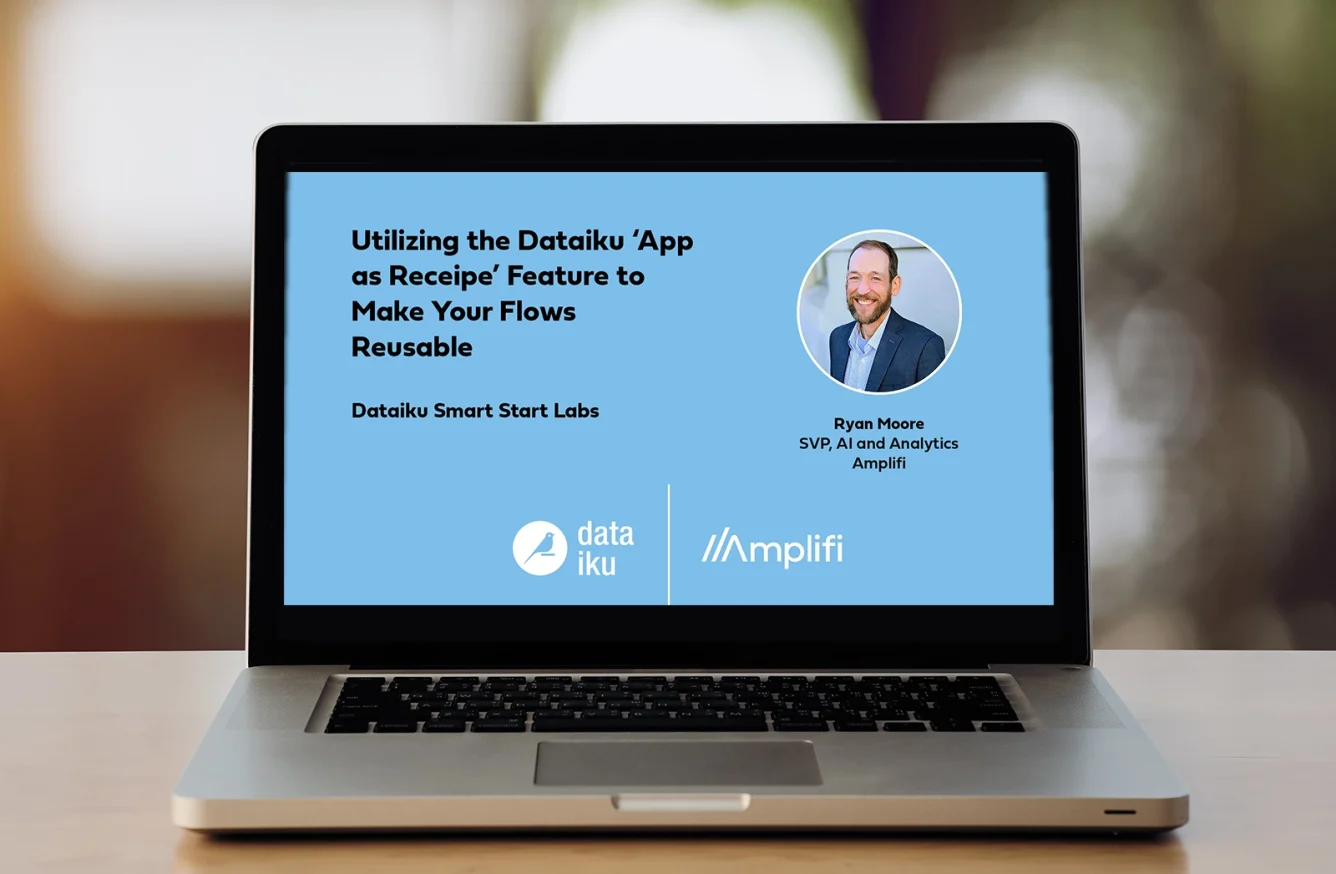
Amplifi x Dataiku: Smart Start Lab – App as recipe feature Strong AI results depend on strong data foundations. In Dataiku’s first Smart Start Lab, Amplifi demonstrated how reusable flows and clean, well-structured data enable teams to deliver value faster, avoid common pitfalls and scale analytics with confidence.
-
Ignorance isn’t bliss: Data Governance in ESG Learn how strong data governance creates trusted ESG reporting, helping organisations improve data quality, build stakeholder confidence, and support sustainable business growth.
-
Are you ready to use your data for good? In the final part of our Data for Good series, Amplifi shows community-based, socially responsible organisations how to question their current data capabilities – and what they need to do next to improve them.
-
Data Fabric: New Buzzword or Revolutionary Approach? Mike Evans, Chief Innovation Officer at Amplifi discusses Data Fabric's potential to revolutionise the way enterprises manage, share and interact with their data.
-
Social responsibility: How can data close 3 critical gaps in community-based organisations? Reliable data can make a big difference to how well you serve your customers – and avoid unnecessary mistakes. Amplifi looks at how Data Management can help with safeguarding, personalisation and reporting.
-
How can effective Master Data Management improve your ESG reporting? Read our Q&A with Matthew Cawsey, Product Marketing Lead at Stibo Systems
-
4 steps to building your data management foundations From housing associations to healthcare trusts, community-focused organisations need high-quality data to drive decision-making. Amplifi looks at the four core steps you need to build a solid data foundation.
-
How Data Leaders Can Win Budget and Buy-In for Analytics Transformation Many data leaders struggle to secure the budget and support needed to launch or scale analytics initiatives. Using the story of a new analytics leader whose pitch falls flat, this article outlines how organizations can connect business value, people, process and technology to gain leadership confidence and drive a successful data transformation.
-
Owning it: taking responsibility for ESG data Who is responsible for ESG data? Amplifi examines the role of data ownership in ESG initiatives – and its impact on accurate ESG reporting.
-
How to use your data for good Amplifi looks at how socially responsible organisations – in healthcare, housing associations and other community-based sectors – are using data to improve experience for their users.
-
Data for Good Discover how effective data management can help your organization become a force for good, improving services, strengthening social impact and enabling better decisions with trusted, actionable data.
-
Garbage in, garbage out: Cleaning your data and your supply chain Data quality is critical for successful ESG. Amplifi shows you why it matters and how to manage it to make a positive impact with your data.
-
Defining your ESG Data Strategy Excellent data strategies beget excellent data. And that goes far beyond ESG.
-
Better data, better world, better business: understanding the role of data in ESG. ESG is more than a feel-good factor for your business – it has a wide-reaching impact on compliance and commercial goals. The first blog in our ESG series looks at why it matters, and how your data needs to support it.
-
IMPORTANT: Fraudulent activity undertaken in Amplifi’s name Amplifi has been made aware of serious fraudulent activity being undertaken in our name and using our branding
-
Oshkosh Defense Featured at Dataiku Everyday AI Roadshow Oshkosh Defense partnered with Amplifi to modernize its analytics capabilities, shifting from spreadsheet-based processes to scalable workflows in Dataiku.
-
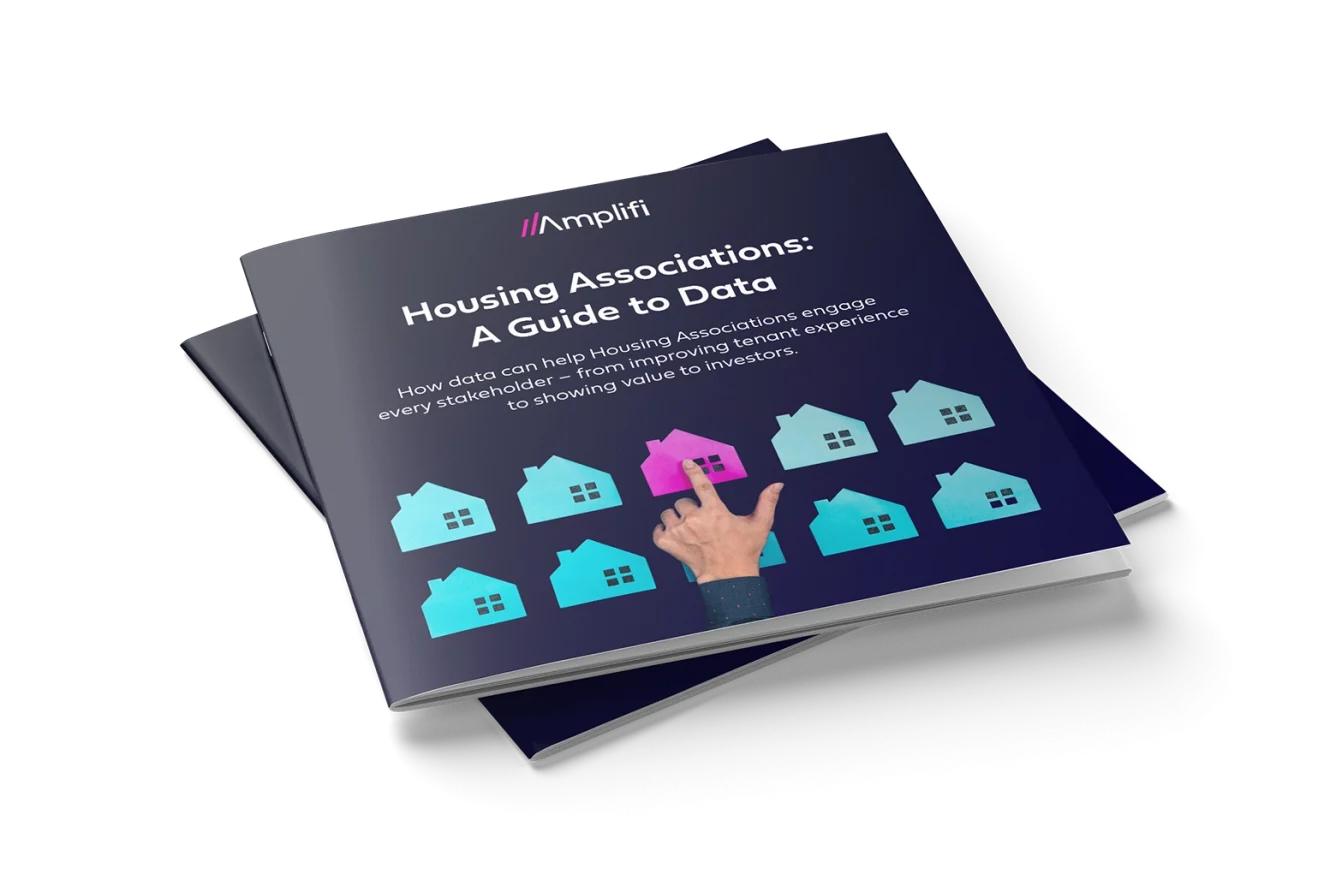
Housing Associations – A Guide to Data Transform housing association data into better outcomes. Learn how to create a trusted tenant golden record, overcome common data challenges and deliver improved experiences, operational efficiency and stakeholder value.
-
Your mission to Mars: why your data needs to change with your business goals Racing towards digital transformation? Here’s why your data needs to evolve as your business does.
-
You can’t launch a rocket with diesel: Data quality and business growth What does rocket fuel have to do with data? Just like you need the right fuel to launch a spacecraft, your business needs the right data to propel growth.
-
The benefits of anomaly detection in Dataiku for predictive analytics Anomaly detection is one of the most powerful ways organizations can uncover hidden patterns, identify risks early, and automate complex analysis. Learn how Dataiku enables scalable anomaly detection and predictive analytics, and how enterprises working with Amplifi can accelerate time to value.
-
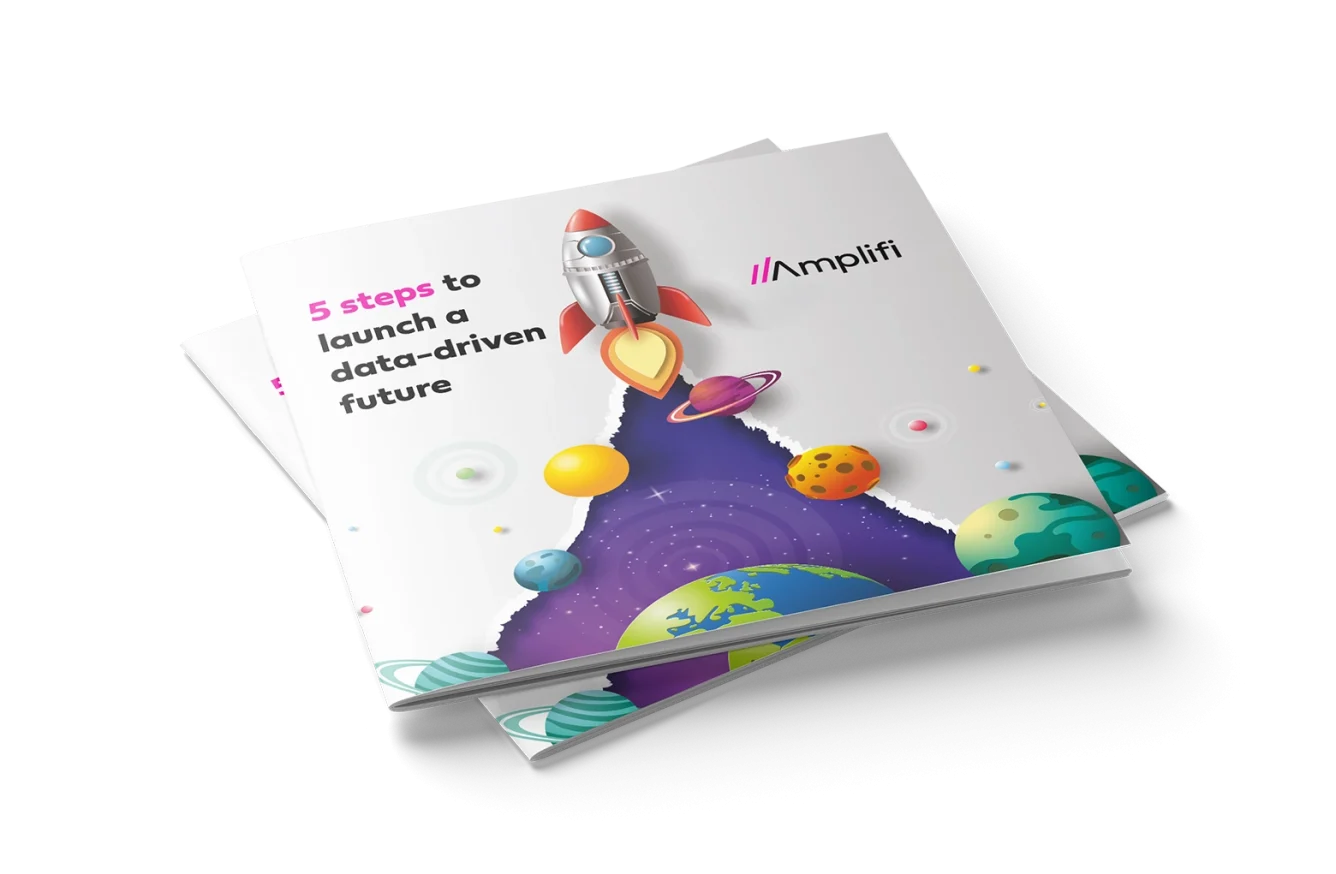
5 steps to launch a data-driven future Launch your journey to becoming a data-driven business with our 5-step data management guide, covering data strategy, data quality, technology and delivery to accelerate growth and unlock greater business value.
-
The Truth About Data: Acronyms, Unmasked. If something seems too good to be true, it probably is: here’s Amplifi’s guide to understanding what data management acronyms really mean.
-
The Truth About Data: You need to find your ‘perfect porridge’ If you’re not sure what you’re looking for from your data management solutions, it’s harder to select a system that’s just right. Here’s the Goldilocks approach to choosing the right data management software.
-
Amplifi named Dataiku emerging SI partner of the year Dataiku recognized Amplifi as its Emerging SI Partner of the Year for 2020, highlighting a strong collaboration built on scalable AI solutions, expert delivery, and measurable business impact.
-
The Truth About Data: Stop looking for magical solutions to data problems You can’t wave a magic wand and become a data-driven business. Amplifi shares the truth about data governance.
-
The Truth About Data: Don’t build your strategy out of straw Building a strong data foundation isn’t easy, but fail to do it and your data outcomes will fall short, or blow away altogether
-
The Truth About Data: Heroes and Villains People have the power to make or break your data strategy, regardless of the technology you choose. Here’s how you can turn your people into data heroes (and avoid creating data villains in the process)
-
The Truth About Data: Beware the Big Buzzword Wolf Don’t get lured off your data path by acronyms and buzzwords. They might look like a shortcut, but they won’t always lead you to where you need to go. Amplifi are here to help you stick to your core data goals and deliver the results you really need.
-
The Truth About Data Cut through the noise of modern data management. Discover practical guidance on data strategy, governance and data foundations, and learn how to turn industry buzzwords into clear actions that deliver real business value.
-
Data Migration 101 Any data management system is only as good as the data you put into it, which is why data migration is such a crucial part of every data strategy.
-
Amplifi Announces Growth Investment from Source Capital Investment will support global expansion and future M&A activity
-
5 tips for better Data Quality Build trust in your data with 5 practical Data Quality tips to improve accuracy, engage your teams and embed sustainable data quality processes that drive better business decisions.
-
Streamline your SAP processes Streamline SAP processes and improve data quality with expert guidance on SAP automation, SAP S/4HANA migration, data governance and integration strategies that reduce risk, strengthen compliance and drive operational efficiency.
-
Metadata Management 101 How can metadata help you realise the true quality and value of your data? Metadata Management puts your data into context. The key is understanding where it comes from, why it exists and how relevant it is…
-
Ready player 2: Partner-led MDM implementation with Comma Do you know your Gartner Magic Quadrant™ from your Forrester Wave™?
-
Natasha’s Law: why data is vital for compliance When it comes to food allergens, data is important at every step in the supply chain, and can be the key to complying with the new regulations brought about by Natasha's Law.
-
MDM implementation: a two-player platform game Ready to hit start on your MDM adventure? It’s better in two player mode. Amplifi is here to be your Player 2, helping you to tackle the building blocks of MDM and choose the right MDM technology for your business’ goals.
-
How to prepare a Request for Proposal (RFP) Learn how to create a successful RFP for your data initiative. Discover expert guidance on defining requirements, engaging stakeholders, evaluating vendors and selecting the right technology and delivery partner to achieve your business goals.
-
Why is customer data still an issue? Collating and maintaining accurate, reliable data is crucial to understanding your customer, creating exciting and relevant data initiatives and supporting your business goals… so why exactly does customer data still present such an issue for brands?
-
What can Percy Pigs tell us about data management? Knowing your product data can help you avoid empty shelves and lost revenue. Percy Pigs make the perfect case for why it's more important now than ever for businesses to understand not just what’s in their product, but where it comes from and who made it…
-
Best practices for leveraging Dataiku and Snowflake Learn how to maximize Snowflake from Dataiku with technical optimization tips, pushdown compute methods, and efficient connection strategies.
-
How well do you know your products? Unlock the full value of your product data with Product Information Management (PIM). Learn how to improve product transparency, strengthen supply chain visibility, support sustainability goals and deliver better customer experiences across every channel.
-
Boden’s digital journey with PIM Having appointed Amplifi to support their latest data strategy, learn how Boden grasps digital opportunities to become a successful online retailer by using PIM.























































































Mailing list
Sign up to our mailing list for all the latest insights direct to your inbox.
Who we work with
Our clients don’t just benefit from our technical capability, they value how we work.
We work shoulder to shoulder with our clients, combining deep industry expertise with a practical understanding of their challenges.















Let's start a conversation about data.
Send us a message and one of our data experts will get back to you as soon as possible.