News & Resources


Resource Guide: 6 expert top tips for building your Data Strategy

Guide: 6 expert top tips for building your Data Strategy

Blog The importance of our dedicated Stibo Systems practice at Amplifi

The importance of our dedicated Stibo Systems practice at Amplifi

Creating value for new and existing Stibo Systems STEP customers through expertise and consultancy
Resource Guide: Taking The Next STEP with Stibo Systems

Guide: Taking The Next STEP with Stibo Systems

Blog Why is customer data still an issue?

Why is customer data still an issue?

Collating and maintaining accurate, reliable data is crucial to understanding your customer, creating exciting and relevant data initiatives and supporting your business goals… so why exactly does customer data still present such an issue for retailers?
Blog Article | Basketball Intensity: Analyzing Weighted Averages in Dataiku

Article | Basketball Intensity: Analyzing Weighted Averages in Dataiku

Are NBA stars more focused and intense in the playoffs than in the regular season? Using weighted averages and quarter-by-quarter data in Dataiku, this analysis examines offensive and hustle metrics to uncover how performance truly shifts when the stakes rise.
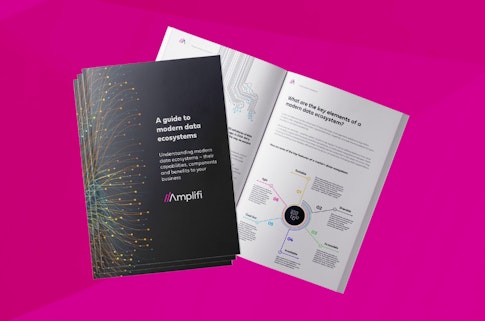
Blog Rip it up and start again? Understanding the anatomy of a modern data ecosystem

Rip it up and start again? Understanding the anatomy of a modern data ecosystem

We examine the anatomy of a modern data ecosystem and how to identify key capabilities in your existing technology stack.
Resource Guide: How do you define your customer?

Guide: How do you define your customer?

Blog Technology + Culture: the makings of a modern data ecosystem

Technology + Culture: the makings of a modern data ecosystem

What makes a data-driven enterprise? Amplifi examines the relationship between culture and technology in a modern data ecosystem.
Blog Article | Why your organization needs a business glossary

Article | Why your organization needs a business glossary

Many organizations invest in data governance tools but still struggle because business users lack clear, shared definitions. A business glossary bridges this gap by translating technical terms into accessible language, reducing silos and improving decision-making across the organization.